Static-first is operational design
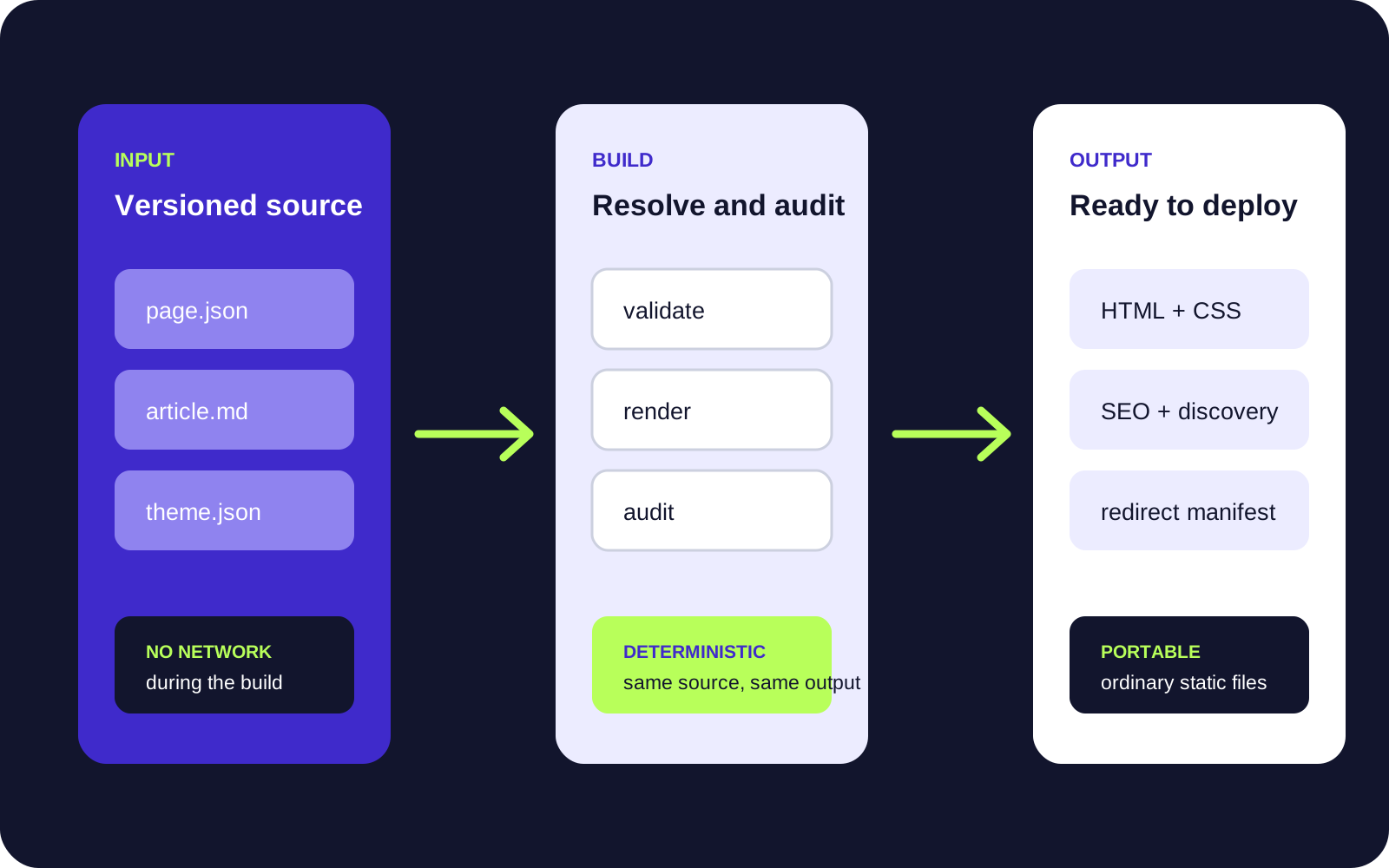
Static output is not nostalgia. It is a deliberate reduction in runtime surface, deployment coupling, and hidden failure modes.

Sights field note · 6 minute read
Why bounded choices, generated contracts, and actionable validation make agents more useful website collaborators.
The best way to get more autonomy from an agent is not to remove every boundary. It is to make the useful boundaries explicit, local, and machine-readable.
An agent with write access to a website repository can produce a new page quickly. That does not mean it knows which layout patterns are already trusted, which content fields are safe, where visual decisions belong, which routes are public, or what browser behavior must hold after the edit.
Without a local contract, more autonomy mostly means more opportunities to create plausible inconsistency.
The useful alternative is not a giant prompt full of warnings. It is a repository that explains itself through machine-readable choices:
Bad constraints merely move complexity around. A page builder made from dozens of layout primitives still asks the author to make responsive and semantic decisions one tiny block at a time.
Sights exposes larger intent-based components. A hero introduces. A comparison table evaluates the same criteria. Process steps preserve order. Editorial media balances one story with one image. A showcase gives a few visual outcomes more room.
The author still controls the message, sequence, evidence, destinations, and approved media. The component controls heading structure, responsive layout, native semantics, and interaction behavior.
That boundary is the leverage.
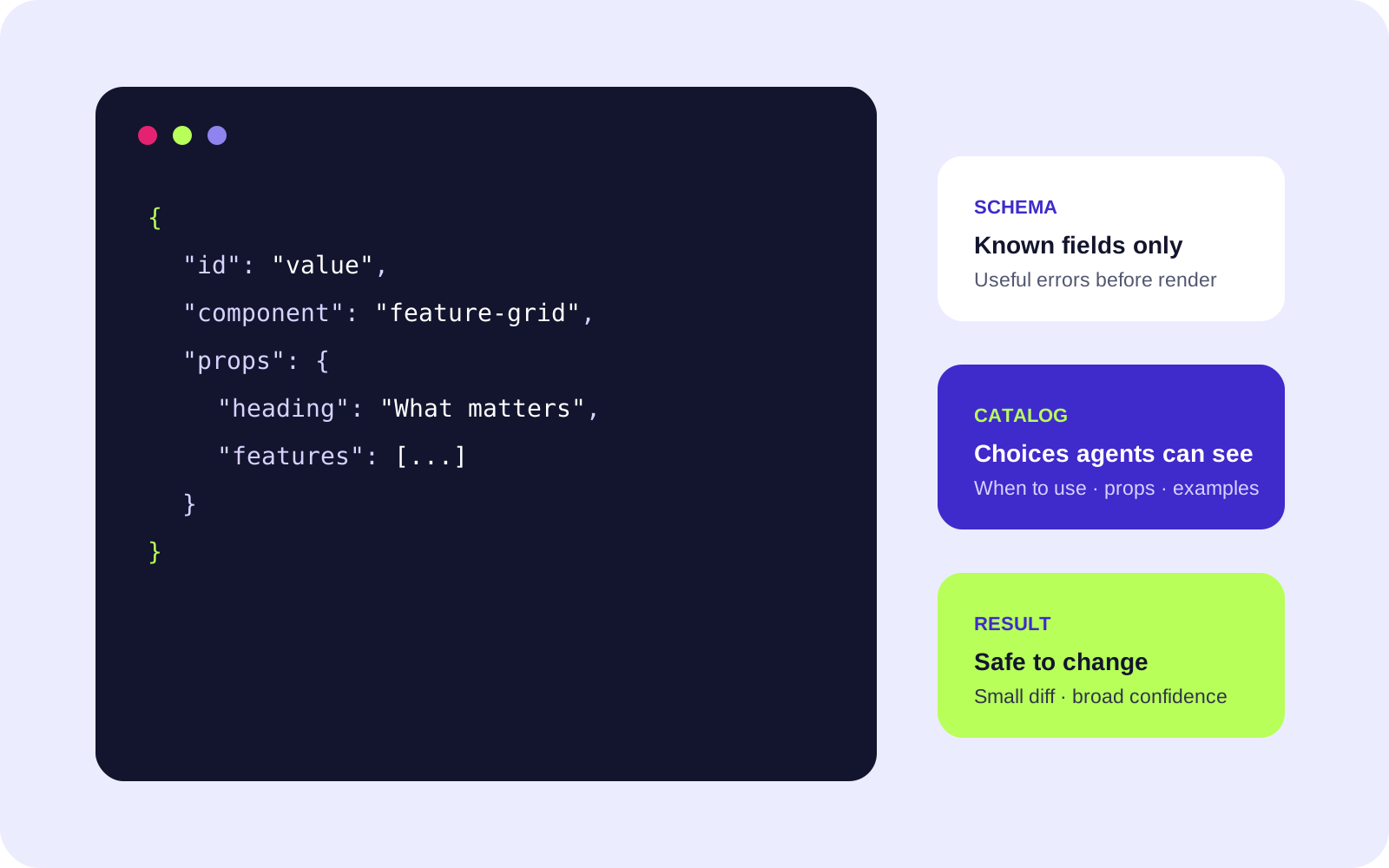
An agent should not have to infer component props by reading renderer code. Each Sights manifest publishes the same facts to both machines and people:
The result is a much better editing loop: inspect the catalog, make a small structured change, validate, and respond to precise feedback.
"Invalid page" is not a useful diagnostic. A good failure names the file, JSON Pointer, received value, expected contract, and likely fix. Unknown component names should suggest close matches. Broken internal links should name the missing canonical route. A link to an internal review page should explain why visibility rules reject it.
Actionable failures do more than block bad output. They help the author build a correct mental model of the system.
Constrained content does not make the platform closed. When a site genuinely needs a new interaction or presentation responsibility, trusted code can register a custom component.
The custom path stays explicit: strict schema, renderer, examples, documentation, semantic thumbnail, accessibility contract, and declared runtime. The page can reference the capability by name, but it cannot become the capability's source code.
That is how Sights gives agents broad autonomy over ordinary website work without turning every content edit into an application-code change.
Keep reading
Static output is not nostalgia. It is a deliberate reduction in runtime surface, deployment coupling, and hidden failure modes.